Contrast Therapy Protocols: Calibrating Thermal Stress for Autonomic Adaptation
June 24, 2026 · 7 min read
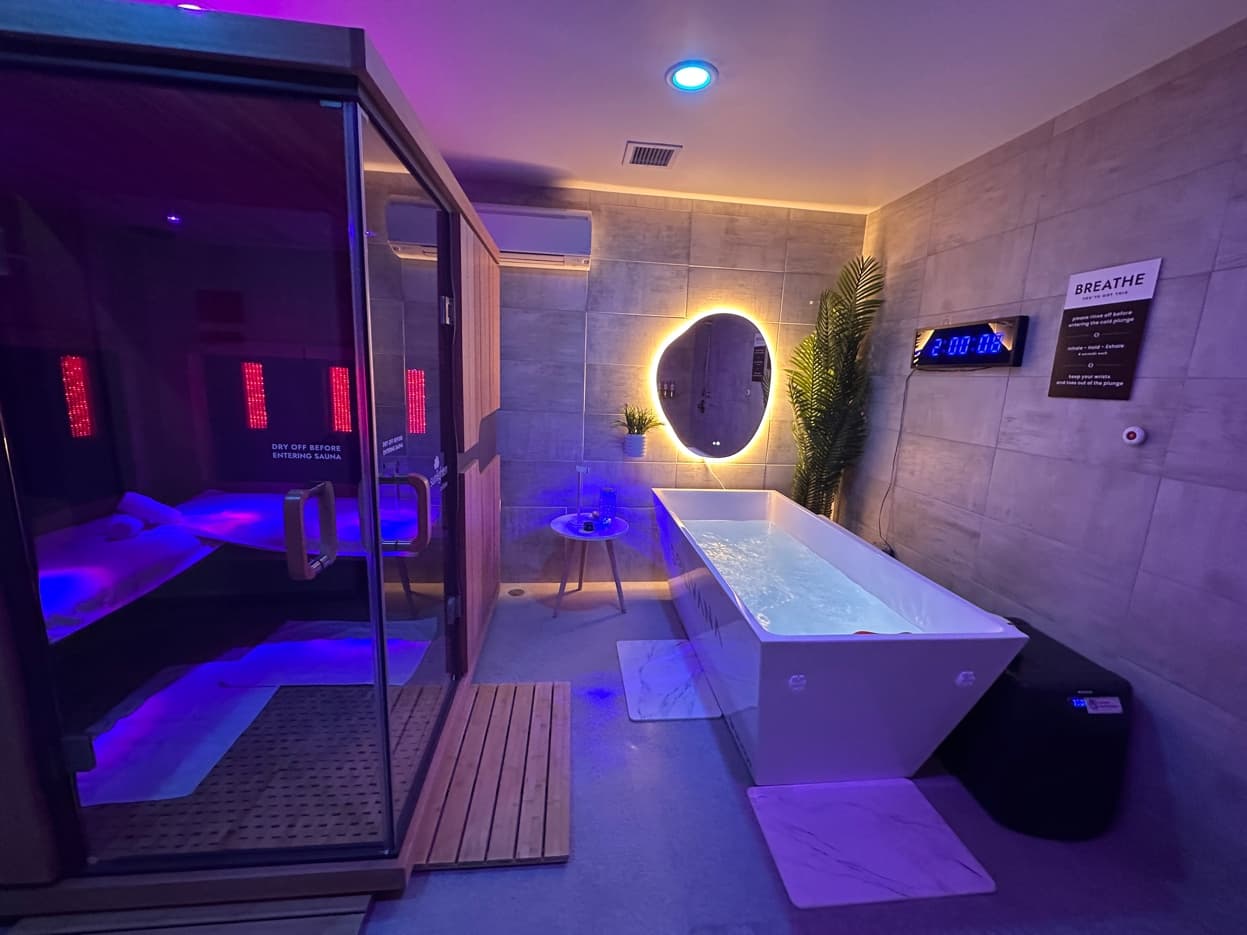
Humans evolved with thermal variation. Modern life eliminated it. Contrast therapy — the deliberate alternation between hot and cold exposure — is not a spa trend. It is a physiological reset that restores autonomic flexibility in a world of constant climate control.
The Physiology of Contrast
When the body encounters heat, blood vessels dilate (vasodilation), heart rate increases, and sweat glands activate. When the body encounters cold, blood vessels constrict (vasoconstriction), heart rate initially increases then slows via the diving reflex, and norepinephrine surges.
The magic happens in the transition. Repeated oscillation between vasodilation and vasoconstriction trains the smooth muscle of blood vessels to respond rapidly and efficiently. This is autonomic flexibility — the ability to shift between sympathetic and parasympathetic states with precision and speed.
Why Not Just Cold?
Cold exposure alone is powerful. But it is also stressful. Repeated cold without heat can lead to sympathetic overtraining — a state of chronic low-grade stress that paradoxically reduces HRV over time. Heat alone is relaxing but does not provide the hormetic stress required for adaptation.
Contrast therapy solves this by providing both stress (cold) and recovery (heat) in a single session. The heat phase accelerates parasympathetic rebound after cold stress. The cold phase prevents heat-induced hypotension and maintains metabolic activation. Together, they produce a net autonomic training effect that neither modality achieves alone.
The SoliVana Protocol
Protocol NSR-2026 uses a carefully calibrated contrast sequence:
- Warm-up (5 min) — 38–40°C infrared sauna to elevate core temperature and dilate peripheral vessels
- Cold plunge (2–3 min) — 10–12°C water immersion to trigger diving reflex and norepinephrine release
- Transition (1 min) — controlled breathing to manage sympathetic surge and initiate vagal rebound
- Repeat (3 cycles) — each cycle progressively deeper as autonomic adaptation occurs
- Recovery (10 min) — neutral temperature rest with continuous HRV monitoring to track parasympathetic rebound
What the Data Shows
Our pilot cohort data reveals several key findings:
- Post-contrast HRV is 18% higher than pre-contrast baseline — a stronger rebound than cold-alone protocols
- Participants show progressive improvement in cold tolerance across the 12-week protocol, indicating autonomic adaptation
- Contrast sessions produce greater subjective recovery scores than either heat or cold alone
- Evening contrast sessions improve next-morning HRV more than morning sessions — suggesting enhanced nocturnal recovery
Safety and Contraindications
Contrast therapy is not universally safe. We screen for cardiovascular disease, peripheral neuropathy, pregnancy, and medication interactions before enrollment. All contrast sessions are supervised by trained clinical staff with continuous vital sign monitoring.
For investors and research partners: contrast therapy is one of the most scalable interventions in our protocol. Sauna and cold plunge infrastructure is inexpensive compared to pharmaceutical development. The return on infrastructure investment is measured in participant outcomes — and those outcomes are data.